

To fulfill your dream of becoming a registered nurse, choose the Hesston College School of Nursing.
- 100% NCLEX overall pass rate for classes of 2020, 2021 and 2023
- 100% job placement
- Faculty focused on student success
- A relational and supportive environment
- Degree tracks for high school students, LPNs and transfer students
At Hesston College, relationships are the difference.
Bachelor of Science in Nursing
 Prerequisites, curriculum sequence, admission policies and standards – how to enter and progress through the program including the BSN (RN), transfer and LPN to BSN (RN).
Student Experiences
 An explanation of what happens in simulation lab plus a variety of students and graduates share their experiences of the Hesston College School of Nursing.
About the School of Nursing
 Our faculty and facilities, mission, goals, accreditation and frequently asked questions
School of Nursing news

Hesston College celebrates student excellence at LarkFest
2025 Hesston College Lark of the Year winners Jessica Raharjo and Ashleigh Williams As the academic year draws to a close, Hesston College gathered to honor outstanding student achievements at the annual LarkFest awards ceremony on Friday, May 9, in the Hesston Mennonite Church sanctuary. Earlier in the week, on Monday, May 5, the athletic […]
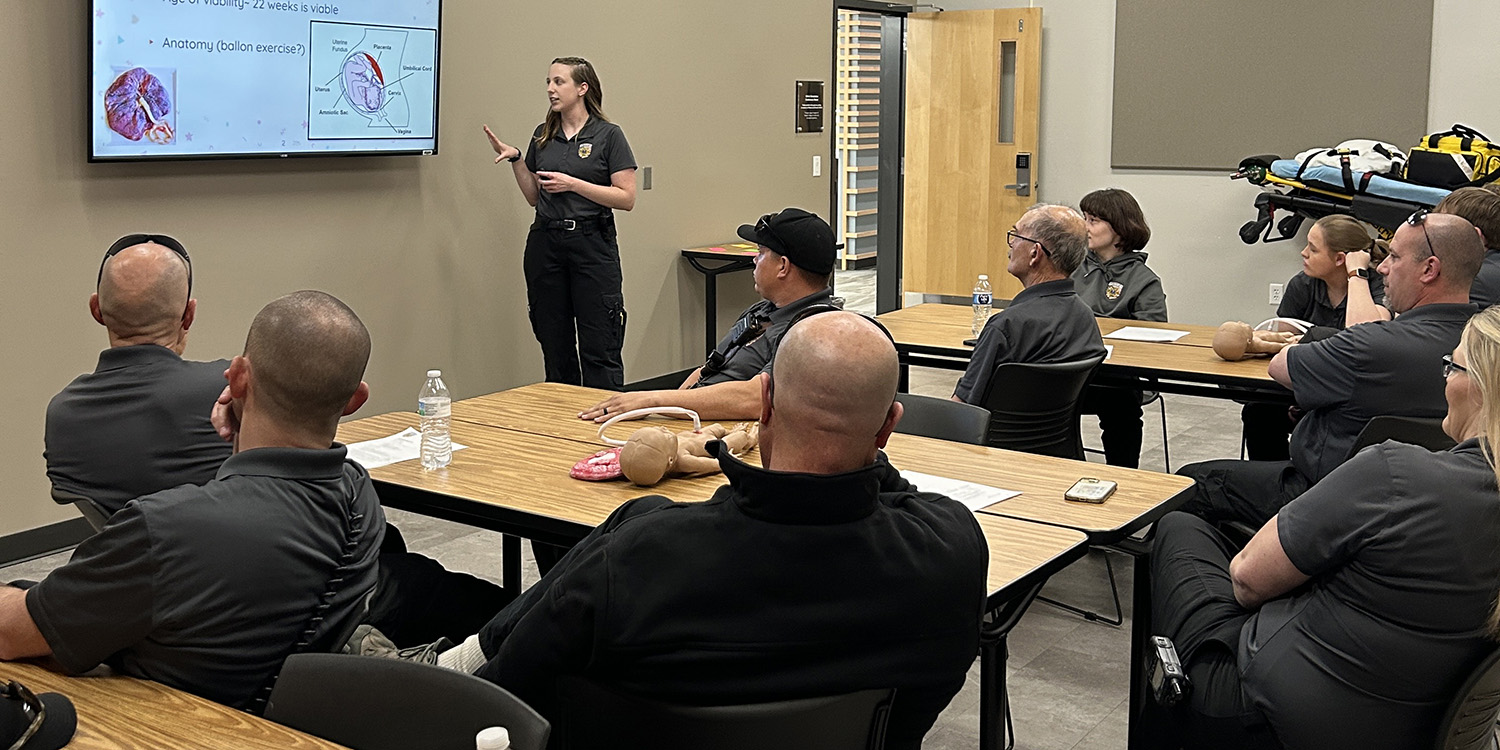
When teamwork delivers: Hesston College Nursing and Hesston Fire/EMS partner for birth simulation training
Alisha Dorsing presents a PowerPoint to Hesston Fire/EMS staff about the basics of labor and delivery in EMS and how to handle a variety of obstetric emergencies during a training session held at Hesston College. It’s not every day you find firefighters and EMTs practicing emergency deliveries in full gear, but thanks to a creative […]
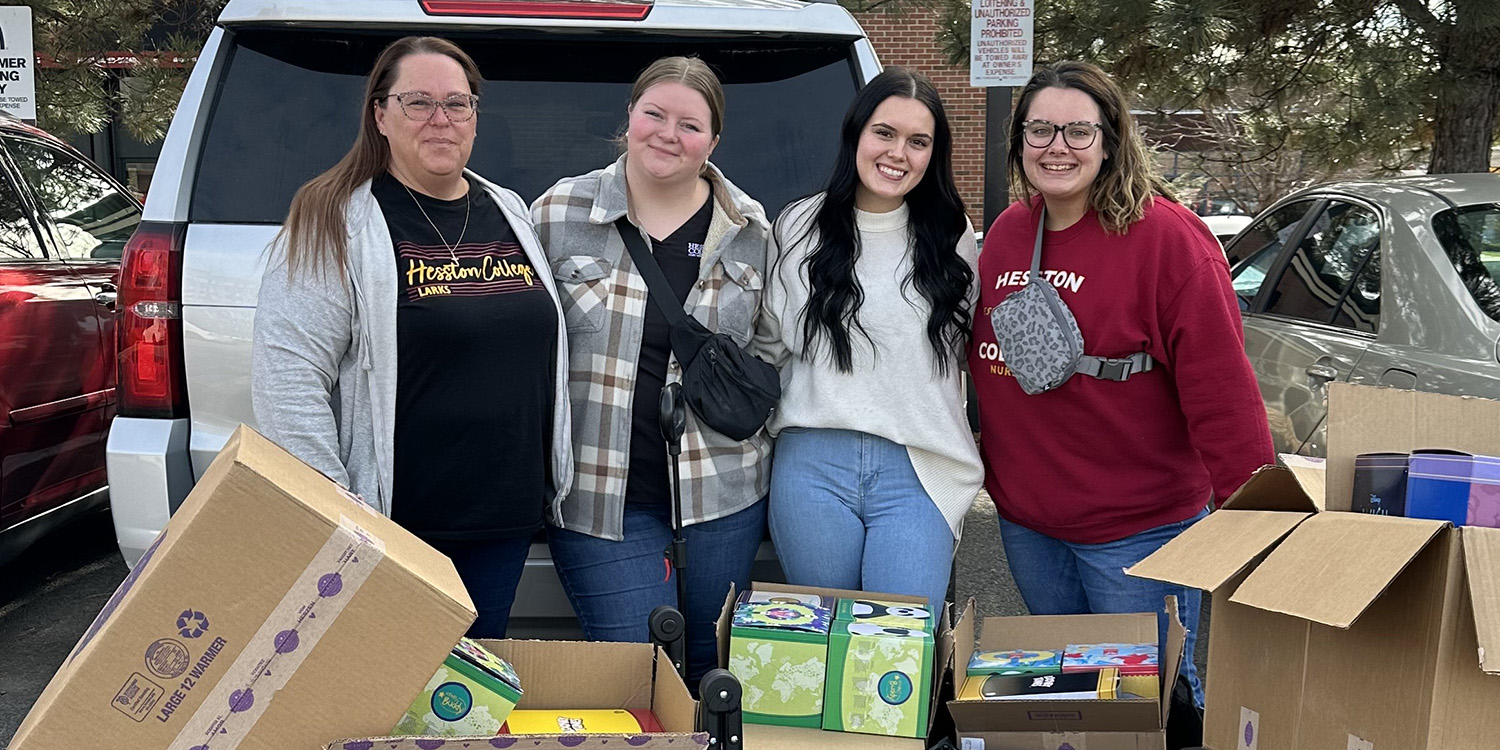
Nursing Club Spreads Joy with Scentsy Buddy Donation Drive
Nursing club members Bobbijo Ceniceros, President Kyndal Simpson, Eliana Rivera and Vice President Brianna Hicks prepare to distribute nearly 80 Scentsy Buddies to children at Wesley Hospital. The Hesston College Nursing Club recently completed a heartwarming donation drive, delivering nearly 80 Scentsy buddies to pediatric patients at Wesley Medical Center in Wichita. The initiative was […]
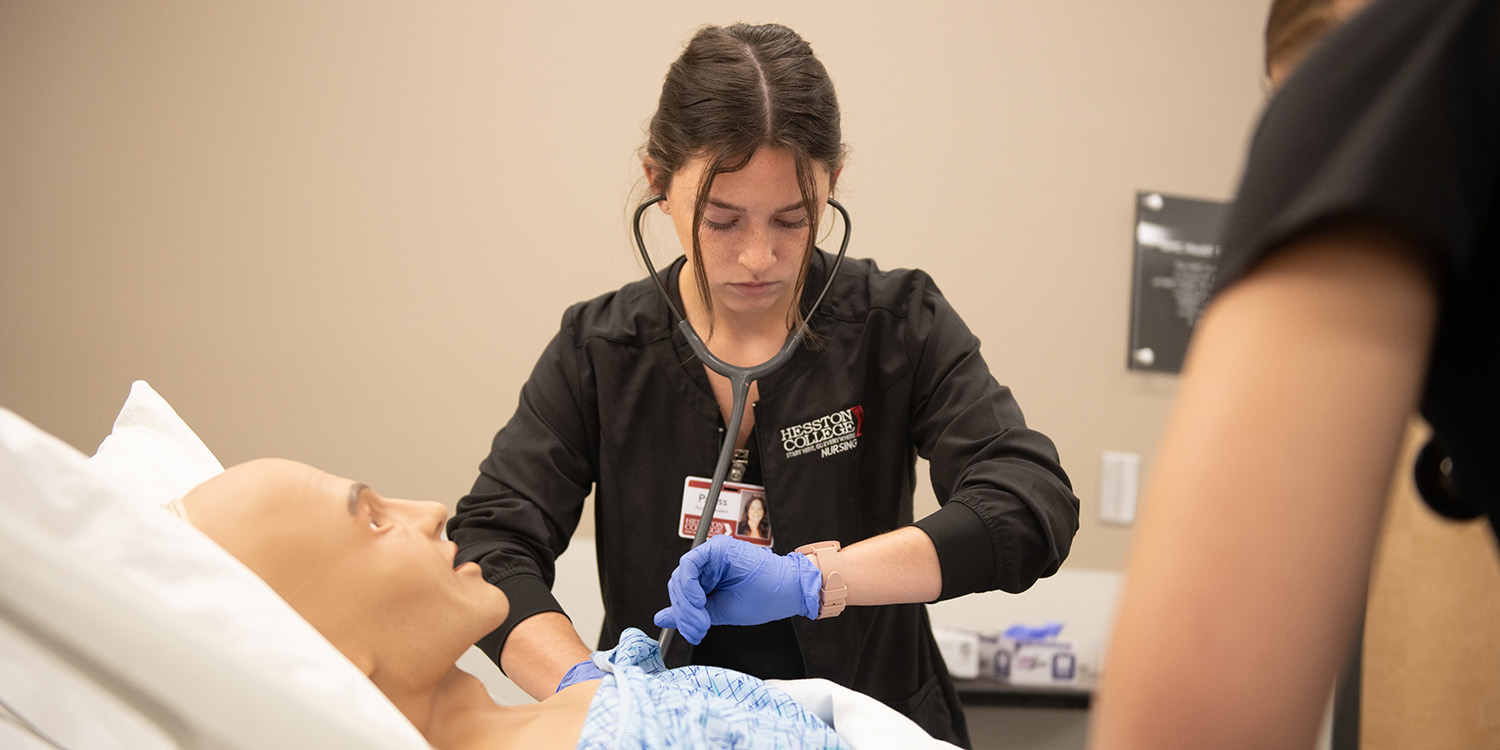
Nursing scholarship established for Hesston College students
Hesston College announces the establishment of the Gloria Yue-Fong Chan Scholarship, an endowed scholarship estimated at $1.6 million, making it the largest scholarship donation to Hesston College. Geared toward students pursuing a bachelor’s degree in Hesston’s nursing program, this scholarship gives preference to students from Asian countries. Dr. Geraldine Y. Chan established the scholarship in […]
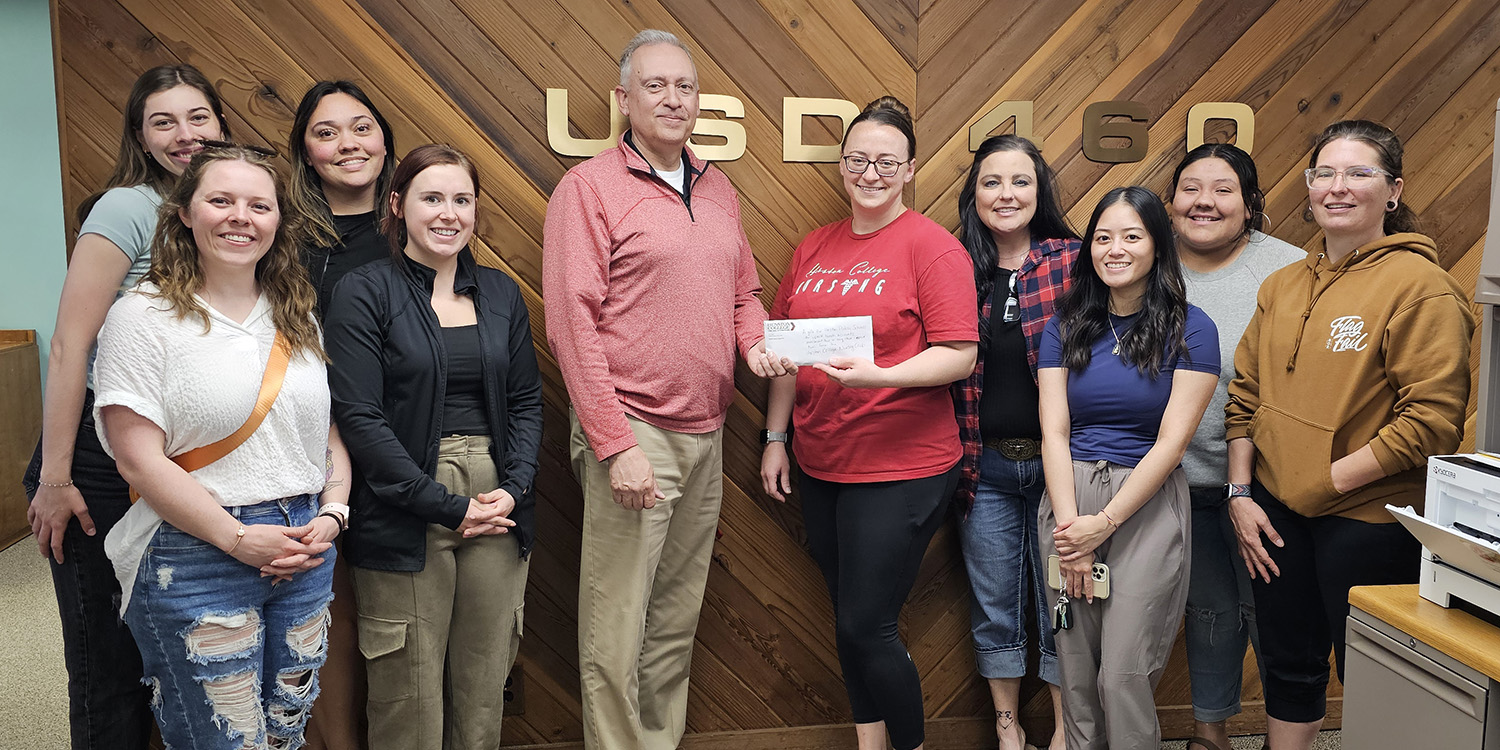
Nursing students show support for local youth
Hesston College Nursing Club delivers the raffle proceeds to USD 460. Pictured from left to right: Blythe Adkins, Teddi Weninger, Lauren Linscott, Trinity Fox, Superintendent Kevin Logan, Madison Thompson, Michelle Werner, Austina Bouahome, Angelina Garcia-Blex and Lacy Davis. The Hesston College Nursing Club demonstrated the greater Hesston community’s generosity through a fundraising effort benefiting Hesston […]
Announcing the Milo C. Albrecht Nursing Scholarship
Hesston College announces the establishment of a new endowed scholarship available for the 2024-25 school year: the Milo C. Albrecht Nursing Scholarship. Students pursuing a bachelor’s degree in Hesston’s nursing program will have first preference for this new scholarship. Established with funds from the Milo C. Albrecht estate, this scholarship honors Albrecht’s support of Hesston […]
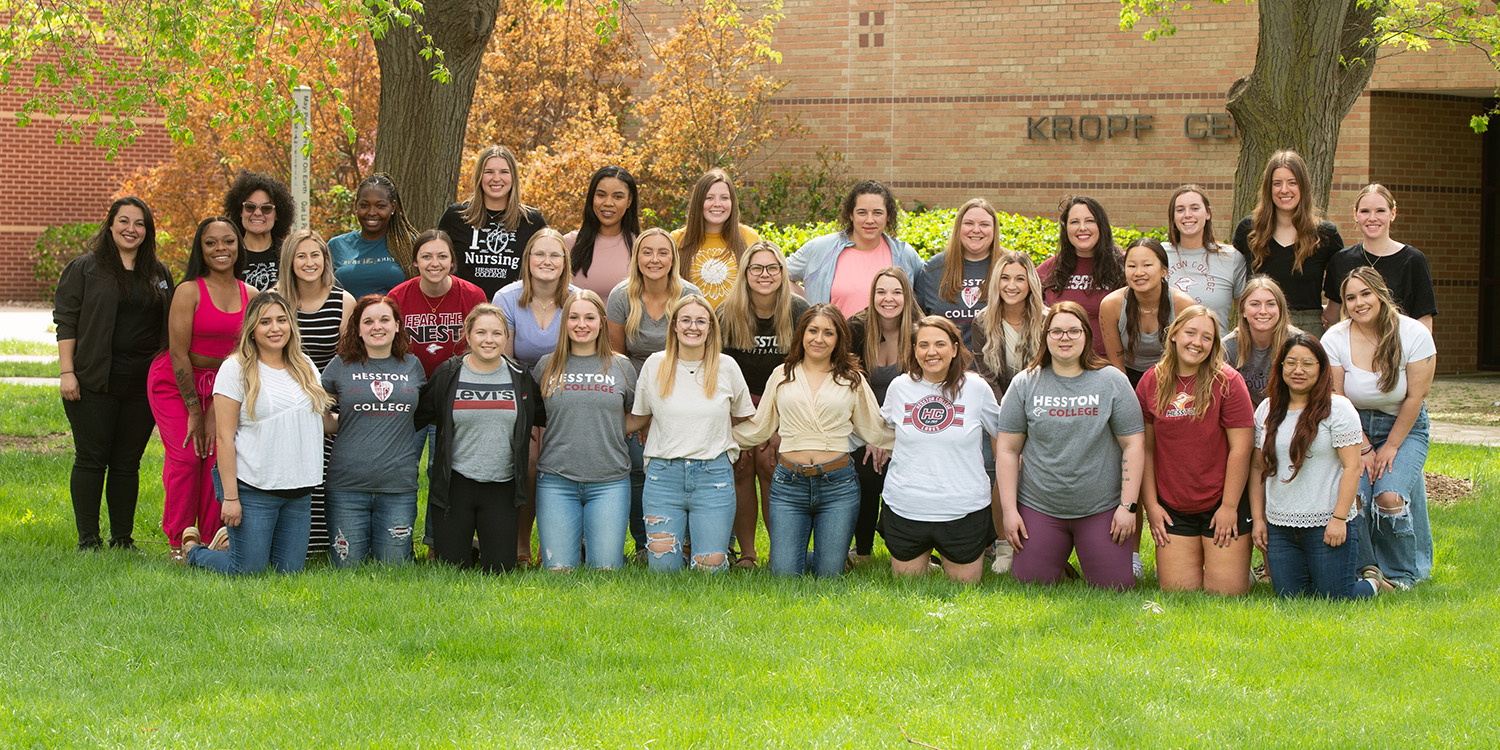
School of Nursing sets record first time NCLEX pass rate
Hesston College School of Nursing class of 2023 The Hesston College School of Nursing has consistently been among the top programs in the state of Kansas, and the graduating class of 2023 set the bar even higher. Nursing faculty celebrated with the 33 graduates of the class of 2023 over their 97 percent first-time pass […]
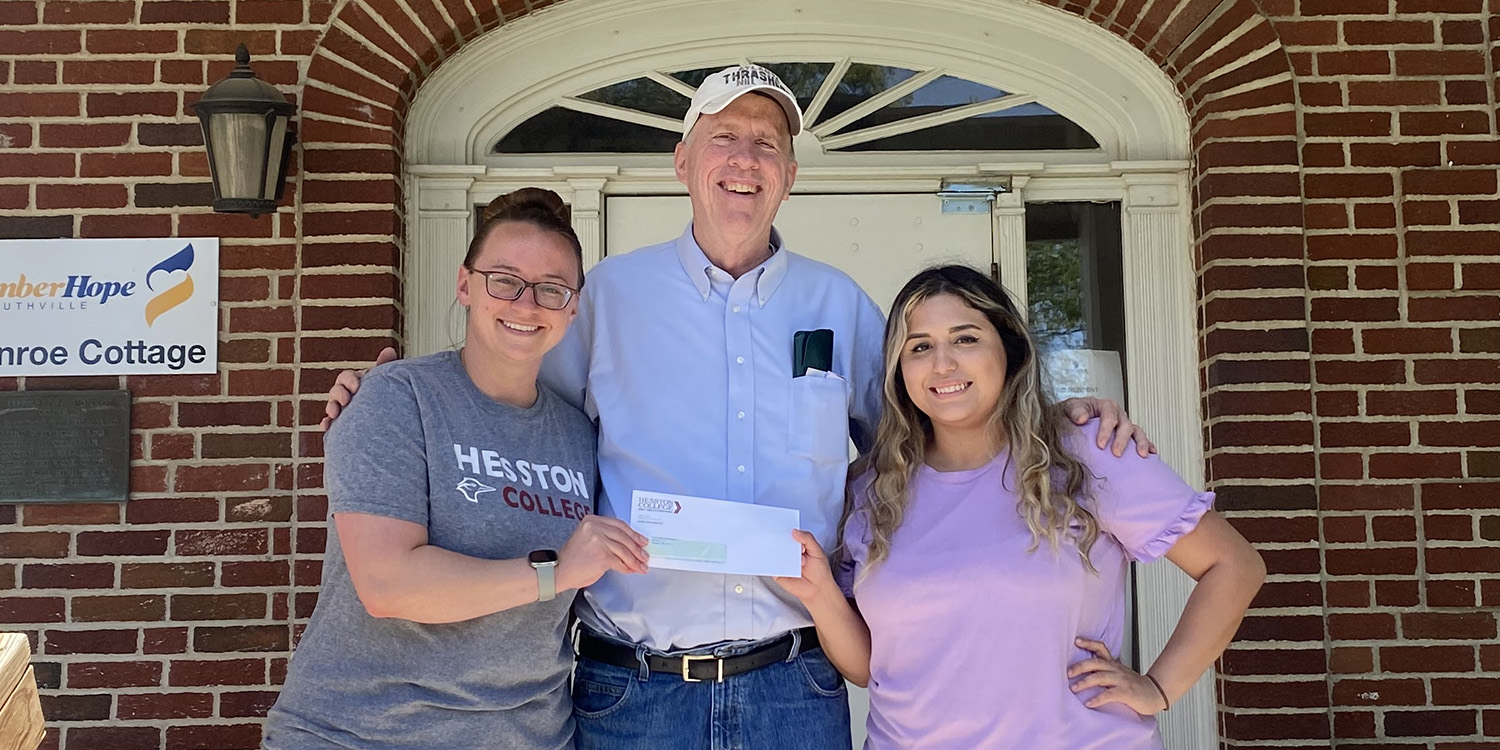
Nursing club presents sizable donations to New Hope Shelter
2024 nursing club president Madison Thompson (left) and 2023 nursing club president Michelle Ramos-Carreno (right) present a $1,000 check to Brian Bisbee, executive director at New Hope Shelter. After a semester of fundraising, the Hesston College Nursing Club presented two large donations to New Hope Shelter in Newton. The first donation consisted of clothes, food, […]
School of Nursing is granted 10-year accreditation with a perfect review
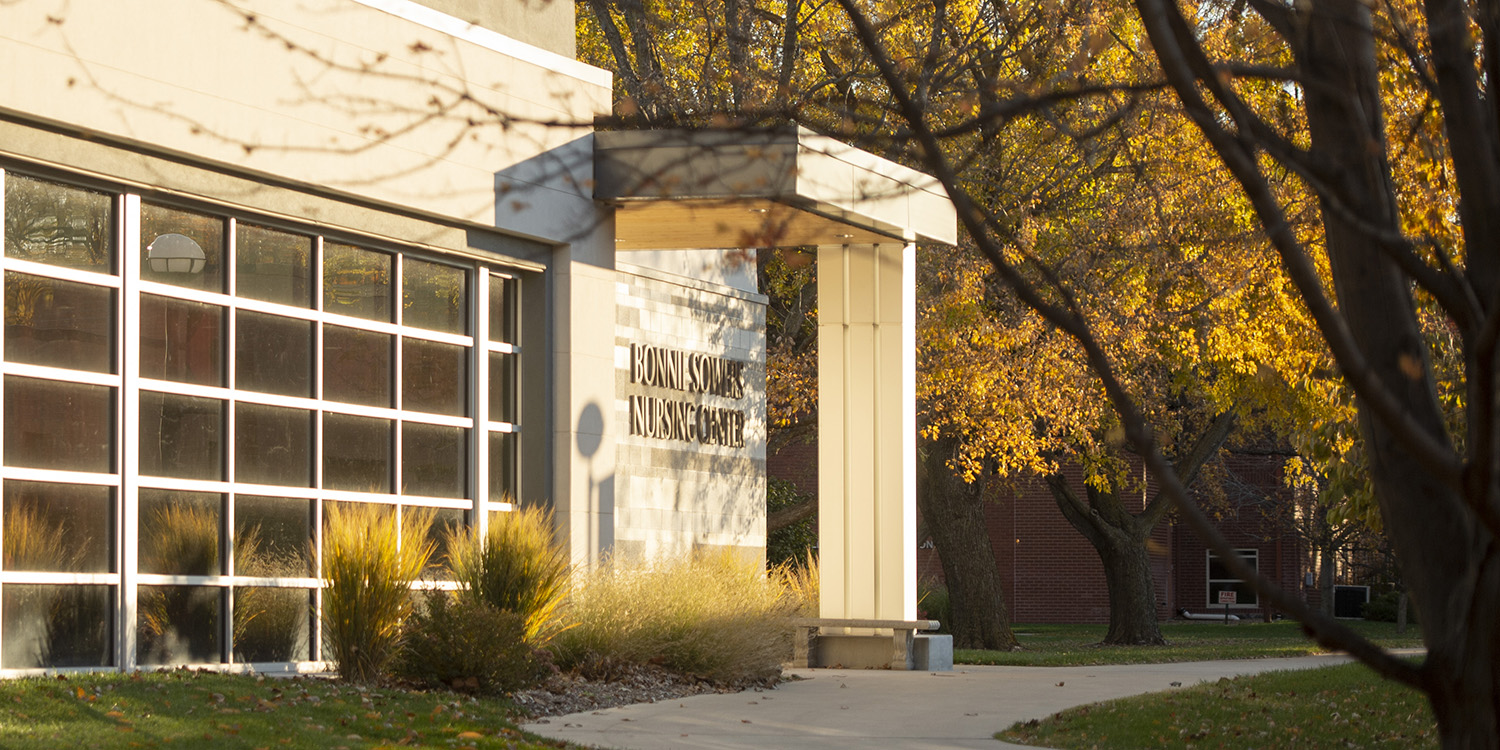
Hesston College School of Nursing continued its track record of success by receiving a 10-year accreditation for the baccalaureate degree from the Commission on Collegiate Nursing Education (CCNE). This accreditation extends until June 30, 2032. CCNE’s accreditation was granted without recommendations for improvement or identified deficiencies. Accreditation is granted after a rigorous process including both […]
Nursing students raise over $4,500 for New Hope Shelter
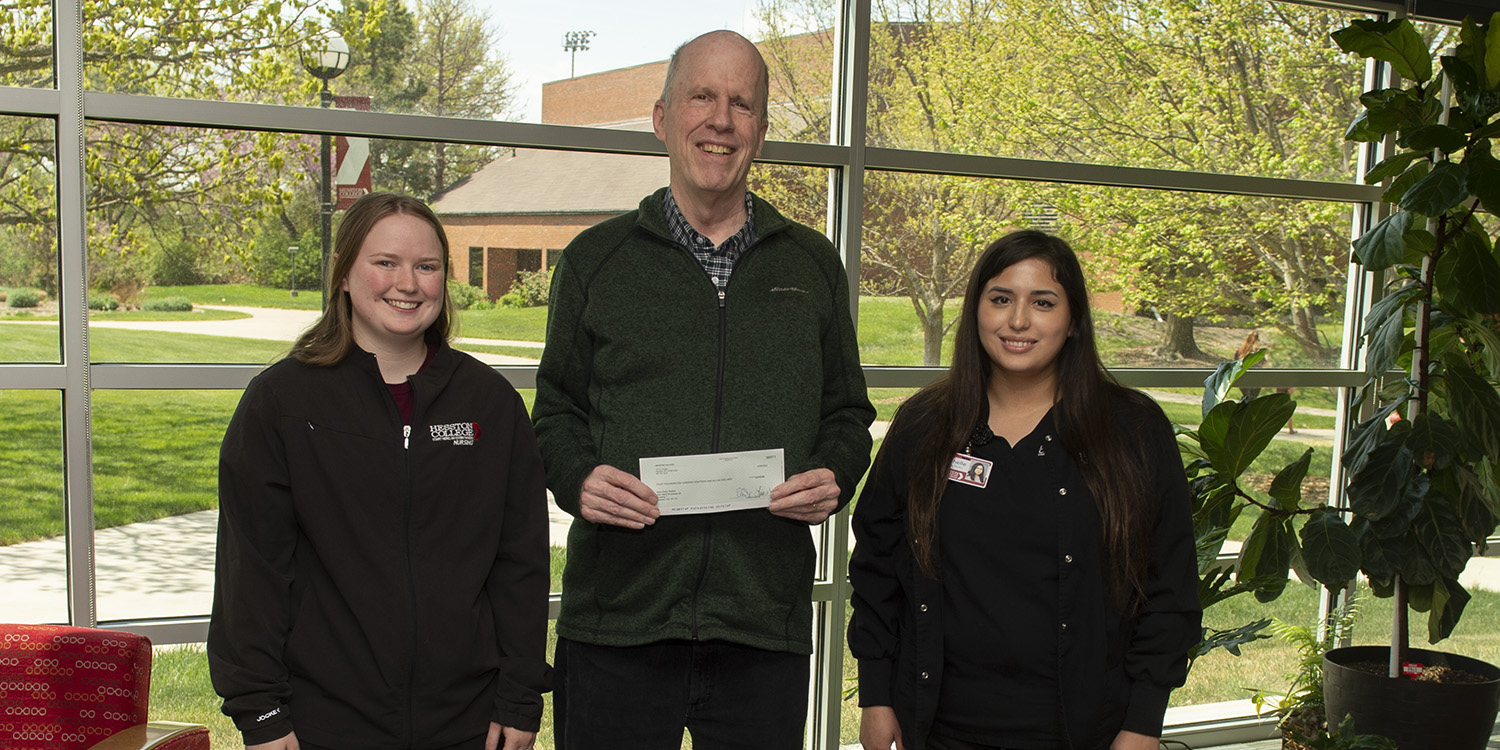
Along with high job placement and licensure exam pass rates, one feature that sets Hesston College’s School of Nursing apart is a culture of support for students. Now junior and senior nursing students are extending that same support and care to the unhoused population of Harvey County, raising over $4,500 for New Hope Shelter in […]
Public Notice of CCNE Accreditation Visit and Invitation for Third Party Comments
The Hesston College Department of Nursing will be hosting a virtual accreditation visit by the Commission on Collegiate Nursing Education (CCNE) on October 6-8, 2021. The purpose of this visit is to seek continuing nursing accreditation of the Bachelor of Science in Nursing (BSN) program. In accordance with CCNE’s procedures, the Commission provides the opportunity […]
Hesston College students recognized for academic and leadership achievements at virtual LarkFest
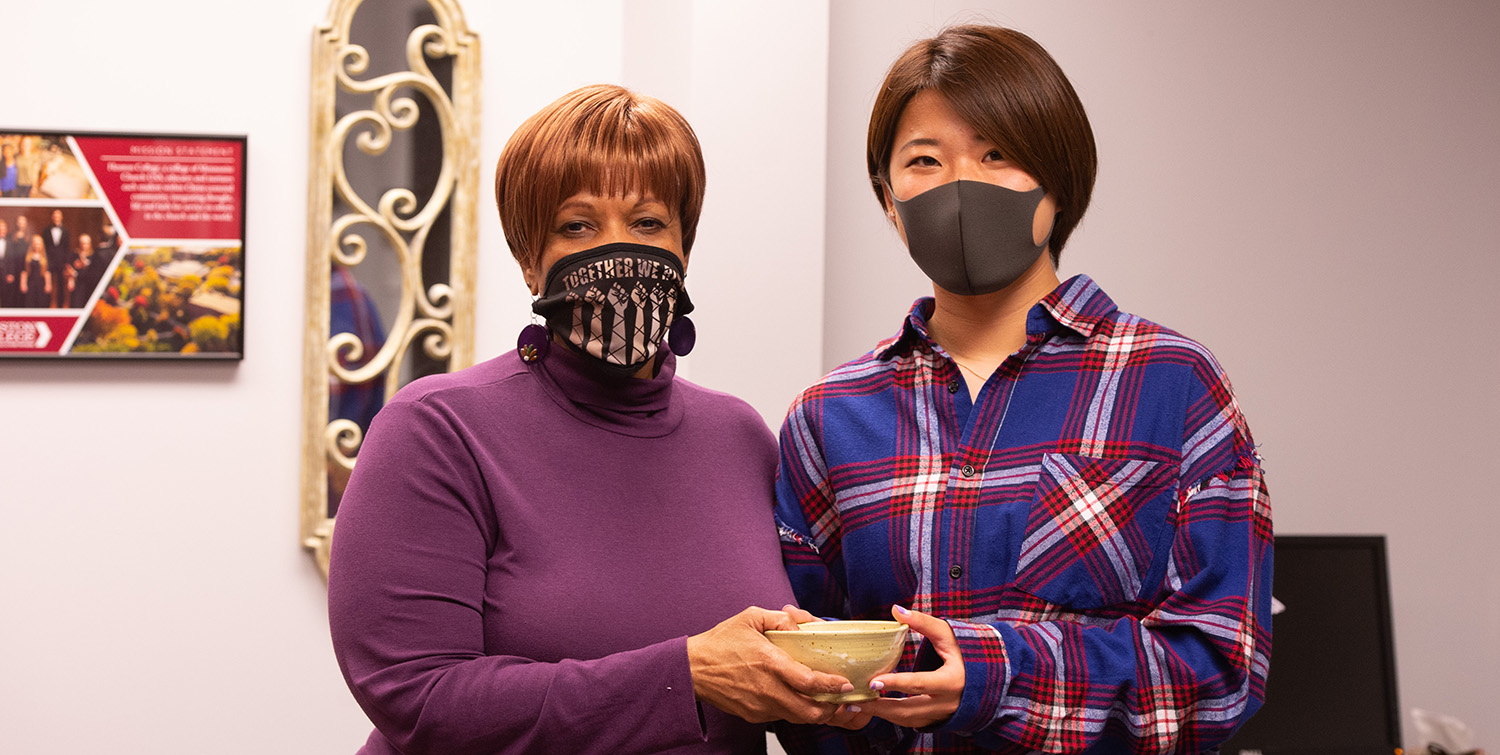
Dr. Carren Moham, associate academic dean at Hesston College, awards Lark of the Year to sophomore Den Morita. Hesston College students and faculty were recognized for their achievements in academics and leadership in a virtual LarkFest Awards ceremony, broadcast on April 23. The top student award—Lark of the Year—went to sophomore Den Morita, Chigasaki, Japan, […]
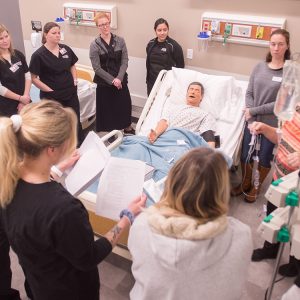
A journey disrupted, not derailed
Hesston College class of 2020 nursing students were just getting ready to enter the final eight-week stretch to earning their Bachelor of Science in Nursing degree and prepping to become licensed registered nurses when the world was thrown into a global pandemic with many layers of uncertainty. As the Hesston College community ended face-to-face interaction […]
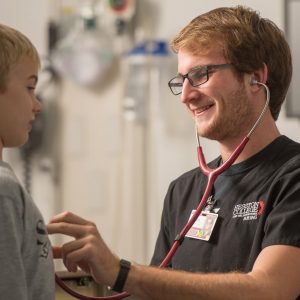
Nursing program to benefit transfer students from Sterling College
Hesston College has signed an articulation agreement with another Kansas college, Sterling College, that guarantees admission and seamless transition for qualified Sterling students into Hesston’s Bachelor of Science in Nursing program. The agreement is effective immediately “We are excited to partner with Hesston College, and specifically its nursing program, to provide our Sterling students with […]
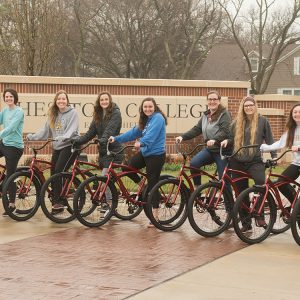
Campus bike share program addresses transportation and physical activity needs
As the spring weather turns more mild, Hesston College students start spending more time outdoors in activities both on campus and off. A new bike share program, implemented by a team of student nurses in the college’s nursing program, was launched just in time for the change in weather and will allow members of the […]